

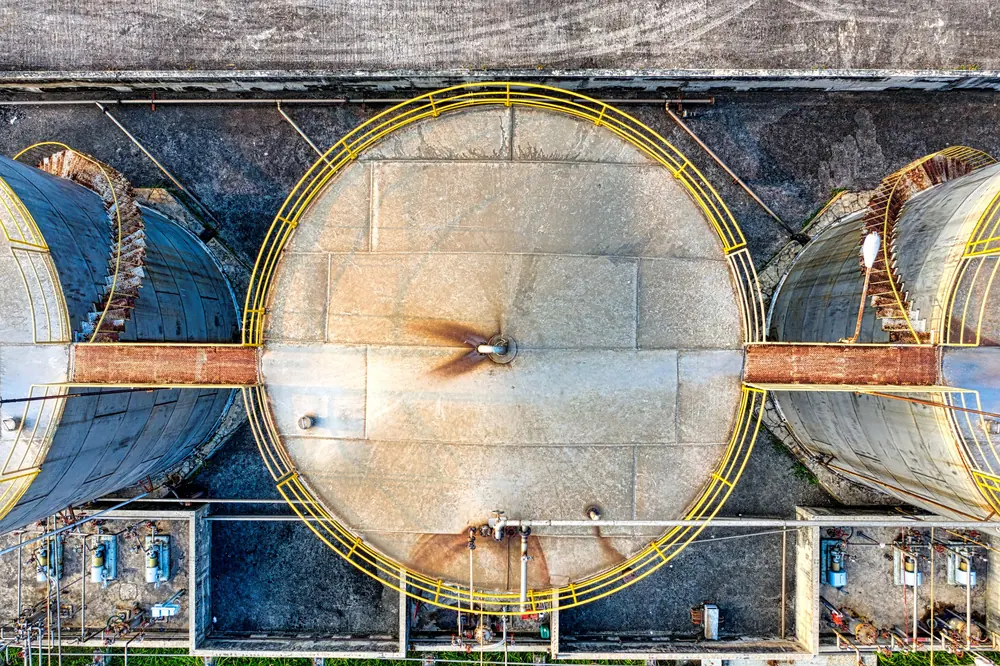
What a bund is for
A bund is the wall and floor around tanks or drums that holds a spill until it can be cleaned up. Bare concrete is porous and many chemicals attack it, so most bunds need a lining that suits what is stored.
Signs a bund needs work
Cracks in the floor or walls, peeling or blistered lining, joints that have opened, staining that keeps spreading, water that ponds and never drains, and corrosion where pipes and anchors pass through.
Repair before you reline
Damaged concrete is cut back and rebuilt, cracks and joints are sealed, and old lining is removed where it has lost its bond. Only then does a new lining go on.
Choosing the lining
The lining depends on the chemicals, their concentration and temperature, and how long a spill could sit. Tell your contractor what is stored and share the safety data sheets.
Keep checking
Inspect bunds regularly and after every spill. Small repairs are cheap compared with a failed bund.