
What a food plant floor has to do
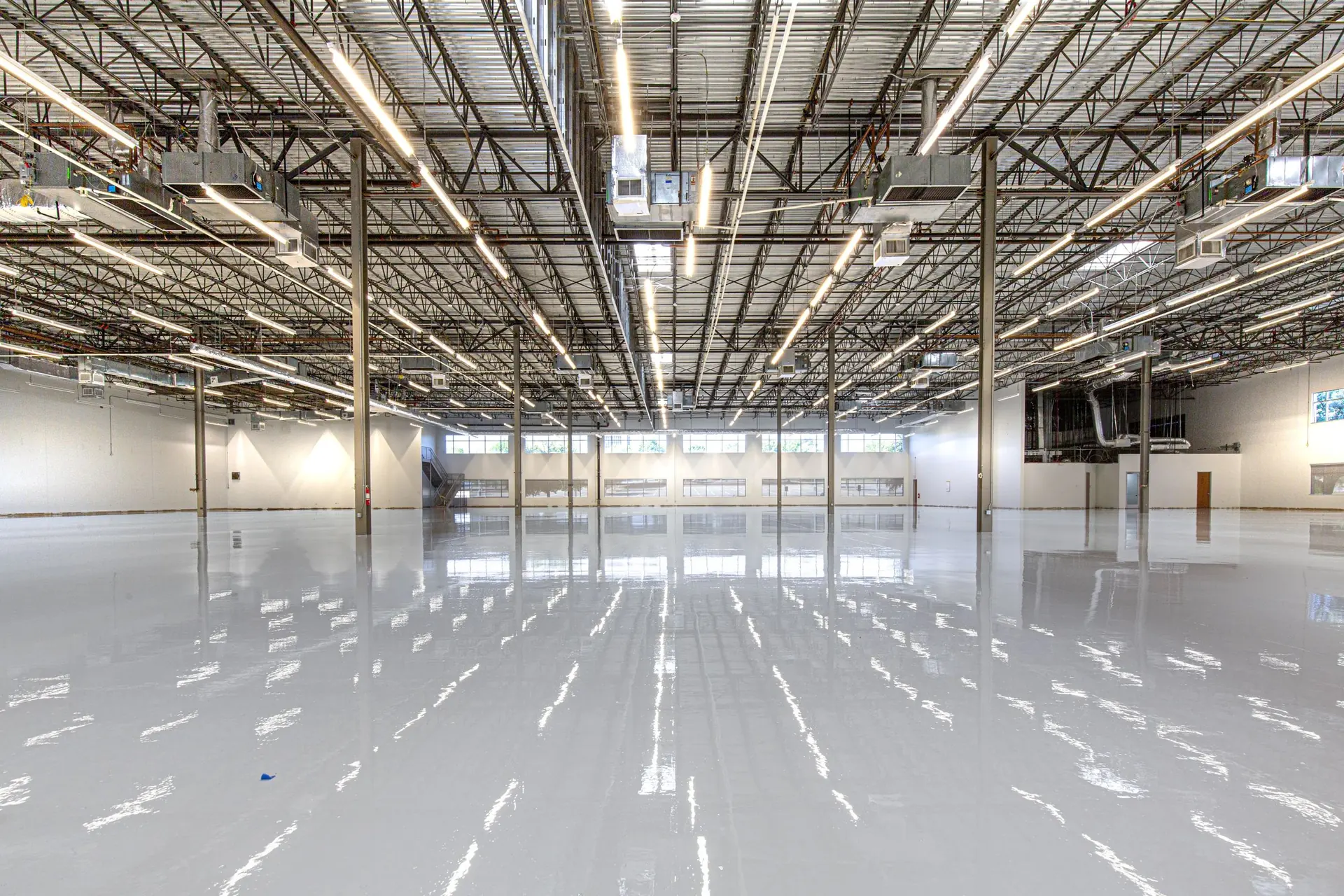
It must be seamless, non-absorbent and easy to clean, stand up to hot water, steam, fats, sugars and cleaning chemicals, and stay slip-resistant when wet. Cracks and open joints collect dirt and water, which is exactly what hygiene audits look for.
Why PU screed
PU screed is a thick, trowelled polyurethane-cement floor. It handles thermal shock from hot wash-downs and heavy wear far better than thin coatings. Chemsafe laid 6 mm PU screed at a meat processing plant.
Coved skirtings and drains
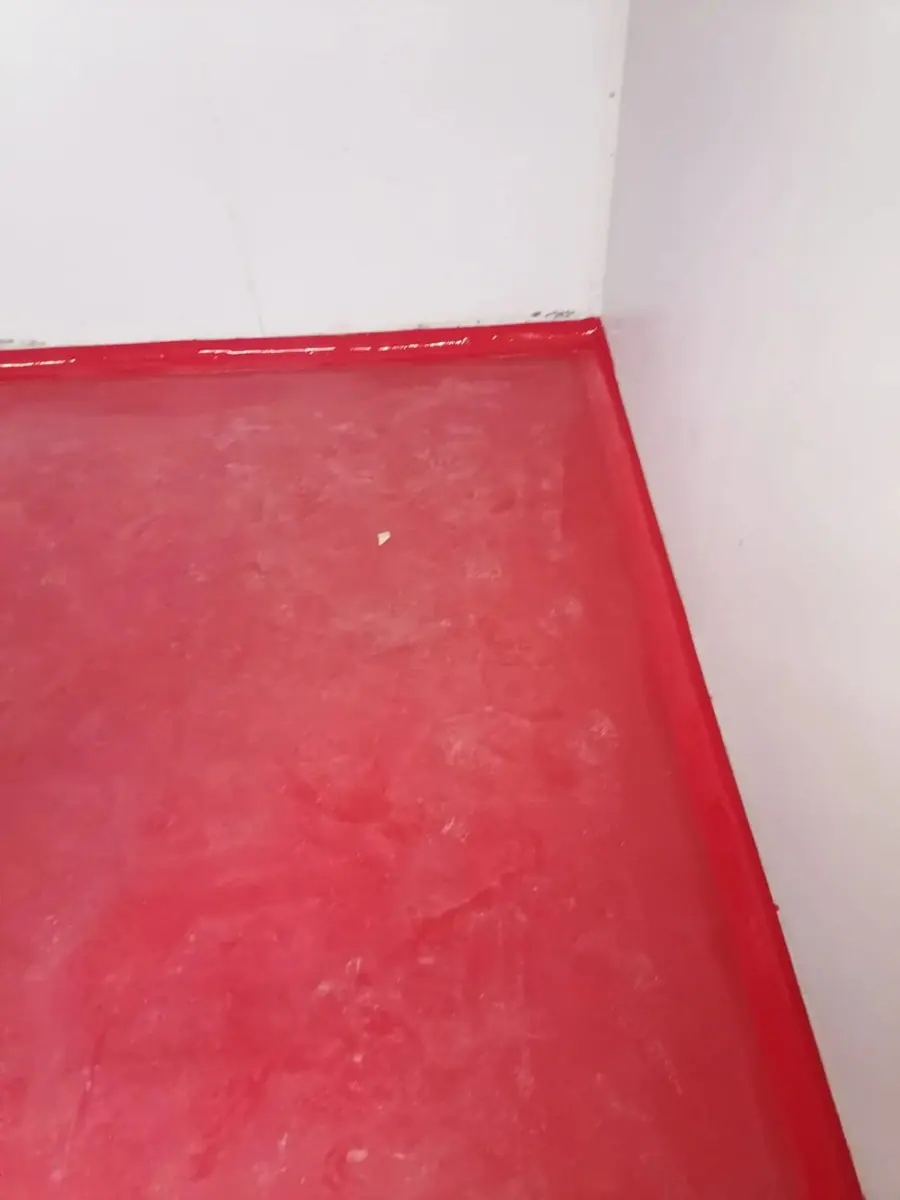
A coved joint between floor and wall leaves no corner for dirt and water. Falls to drains and the detail around drains and channels matter as much as the floor itself.
Slip resistance
Wet process floors need a textured finish. The right texture balances grip against how easy the floor is to clean.
Planning the shutdown
Process areas can often be done in phases or during planned shutdowns. Agree the cure times and the return-to-service time in writing before work starts.